
 February 11, 2026
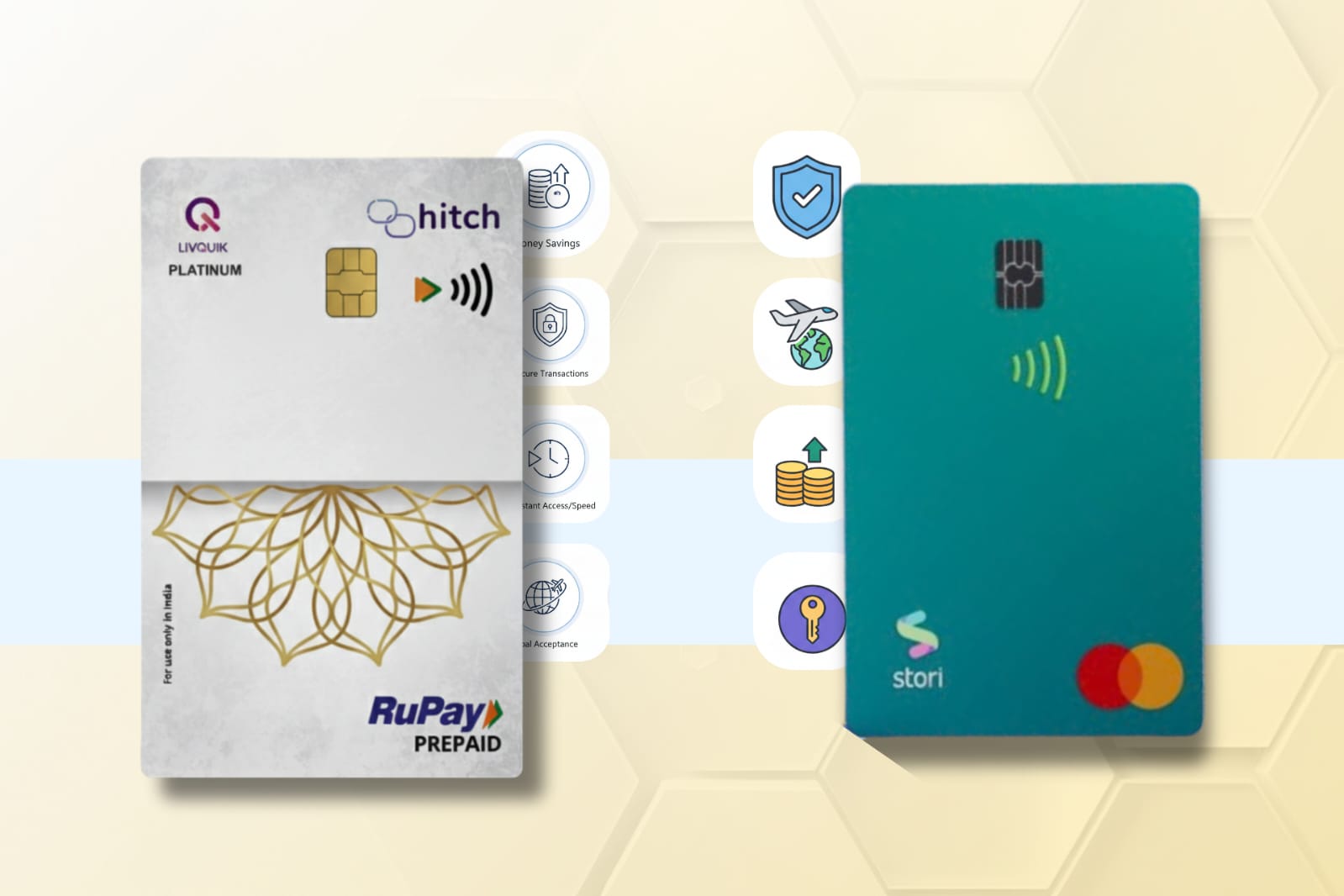
Payments today are quick and routine—tap, swipe, move on. But when choosing between a prepaid card and a debit card, confusion often begins. Both cards look similar and work online or offline, yet they are designed for different kinds of users. Understanding that difference matters, especially for people new to digital payments or those trying to manage spending more carefully.
How a Debit Card Works
A debit card is tied directly to your bank account. Every payment you make comes straight from the money you already have in that account. There is no separation between your card and your balance.
This works well for people who are comfortable using banking services and already manage their finances through a bank. ATM withdrawals, bill payments, and daily purchases all happen through the same connection. The convenience is obvious. The challenge is that overspending or lack of tracking can quickly drain your account, which may feel restrictive for beginners.
How a Prepaid Card Works in Practice
A prepaid card operates independently of a bank account. You load money onto the card first and then use it until the balance runs out. Once the amount is spent, transactions stop unless the card is reloaded.
This setup changes how people spend. The card does not automatically withdraw money. It waits for what you have already decided to put on it. That difference encourages budgeting discipline and intentional spending. Prepaid cards are often used for everyday digital payments and controlled spending.
Prepaid Cards vs Debit Cards: Key Differences
| Aspect | Prepaid Card | Debit Card |
| Source of money | Preloaded balance | Linked bank account |
| Bank account needed | No | Yes |
| Spending limit | Only the amount loaded | Depends on the account balance |
| Control over spending | High and predefined | Depends on user discipline |
| Ease for beginners | Simple to start | Simple once a bank account exists |
| Typical use | Budgeted spending, online payments | Daily transactions, ATM use |
Choosing Between the Two
If you already rely on your bank for most financial activity, a debit card fits naturally into that system. It keeps everything in one place. There is no need to manage separate balances. Prepaid cards suit a different mindset. They are useful when you want clear boundaries. Spending feels intentional because it starts with loading the card. The choice often reflects personal habits and financial goals more than technical features.
Why Prepaid Cards Are Becoming More Common
Digital spending has shifted. Subscriptions, app payments, and online services now form a large part of everyday expenses. In these situations, prepaid cards offer clarity. You know how much you are willing to spend before the transaction even happens. That predictability appeals to users who want fewer surprises. It also reduces the need to share or link bank details for every transaction, while still supporting modern payment needs.
Prepaid cards and debit cards serve different purposes, even though they look similar. Debit cards work best when banking access and flexibility matter most. Prepaid cards work best when control and simplicity take priority. Knowing how each card works helps people choose with confidence.