
 February 12, 2025
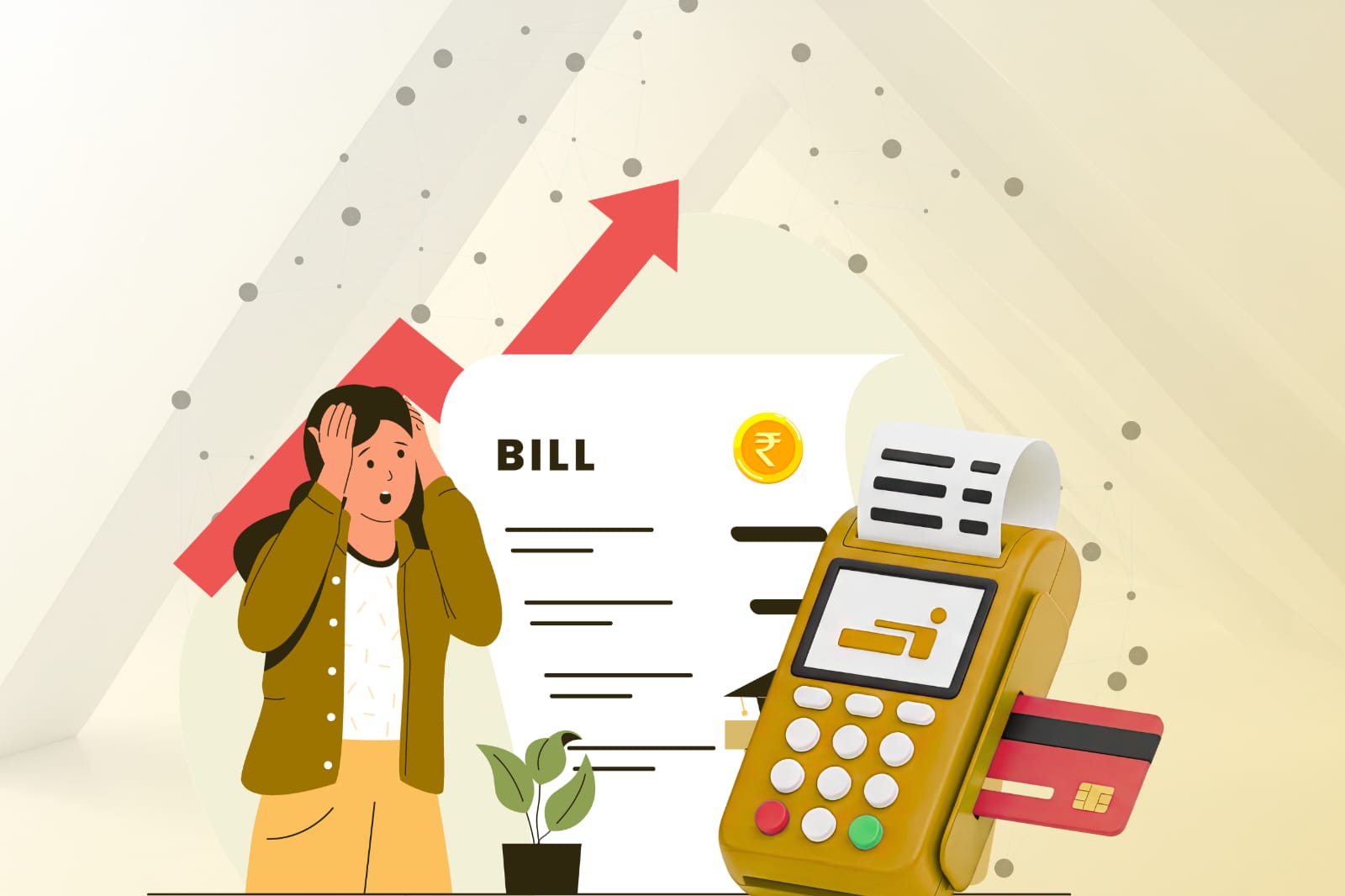
Managing one credit card is easy for most people. But when you start using multiple credit cards for cash back, rewards, travel benefits, or shopping offers, things can quickly become confusing.
Different billing cycles, multiple due dates, annual fees, and reward tracking can make it difficult to stay organized. Missing even one payment can lead to late fees, high interest charges, and a drop in your credit score.
The good news is that managing multiple credit card bills does not have to be stressful. With the right habits and tools, you can stay on top of your payments, avoid debt, and even maximize your rewards.
Why Managing Multiple Credit Cards Can Be Challenging
Using multiple credit cards offers flexibility and benefits, but it also comes with responsibilities.
Some common problems people face include:
If not handled properly, these issues can affect your financial health and your credit score.
One of the biggest reasons people miss payments is simply forgetting the due date.
Create a system to track all your credit card billing dates. You can use:
Setting reminders 3–5 days before the due date gives you enough time to arrange funds and avoid late fees.
2. Use Auto-Pay for Minimum Due Payments
Auto-pay can help you avoid missing payments completely.
You can set auto-debit for:
Even if you prefer paying manually, enabling auto-pay for the minimum due amount acts as a safety net.
However, always ensure your bank account has enough balance before the auto-debit date.
3. Try to Pay the Full Amount Whenever Possible
Paying only the minimum due may seem convenient, but it can become expensive because of high interest charges.
If possible:
This helps you stay debt-free and maintain a healthy credit profile.
4. Keep Your Credit Utilization Low
Credit utilisation means how much credit you are using compared to your total limit.
For example:
Financial experts usually recommend keeping utilization below 30% to maintain a good credit score.
You can reduce utilization by:
5. Align Your Billing Cycles
Managing several due dates throughout the month can become difficult.
A smart trick is to request your bank to align billing dates for multiple cards. Many banks allow customers to change billing cycles.
This makes it easier to:
6. Use Different Cards for Different Expenses
Assigning specific purposes to each card helps you stay organized.
For example:
This strategy also helps maximize rewards and cash back offers.
7. Monitor Annual Fees and Hidden Charges
Many people forget about annual fees until they appear on the statement.
Keep track of:
If a card no longer provides enough value, consider closing it after checking its impact on your credit score.
8. Avoid Applying for Too Many Credit Cards
Having multiple cards is useful, but too many applications within a short period can hurt your credit score.
Only apply for cards that genuinely match your:
Quality matters more than quantity.
9. Check Statements Regularly
Review your monthly statements carefully to:
Regular monitoring helps you stay financially disciplined.
10. Use Smart Bill Payment Platforms
Using a reliable bill payment platform can simplify the entire process.
Platforms like hitch help users:
Having all payments managed digitally reduces the chances of missing deadlines.
Here are some common mistakes that can create financial problems:
This increases your interest burden over time.
Late payments may affect your credit score negatively.
High utilization can make lenders see you as a risky borrower.
Fraudulent or incorrect charges can go unnoticed.
Multiple EMIs across cards can become difficult to manage.
When managed smartly, multiple credit cards can actually improve your financial flexibility.
Some key benefits include:
The key is responsible usage and timely payments.
No, having multiple credit cards is not bad if you manage them responsibly and make payments on time.
There is no fixed number. The ideal number depends on your income, spending habits, and ability to manage payments properly.
Missing payments can result in:
Yes, responsible usage and low credit utilization can positively affect your credit score over time.
If a card has high annual fees and little benefit, closing it may make sense. However, closing old cards can sometimes affect your credit history length.
Managing multiple credit card bills may seem difficult initially, but with proper planning and discipline, it becomes much easier.
Simple habits like setting reminders, paying bills on time, monitoring spending, and using trusted payment platforms can help you stay financially organized and avoid unnecessary debt.
If you regularly pay credit card bills online, using platforms like hitch can help simplify payments while also offering cash back and convenience.
By managing your credit cards wisely, you can enjoy the benefits of rewards, flexibility, and better financial control without the stress of missed payments.