

 December 12, 2024
The Future of Rent Payments: Credit Cards vs. Traditional Methods
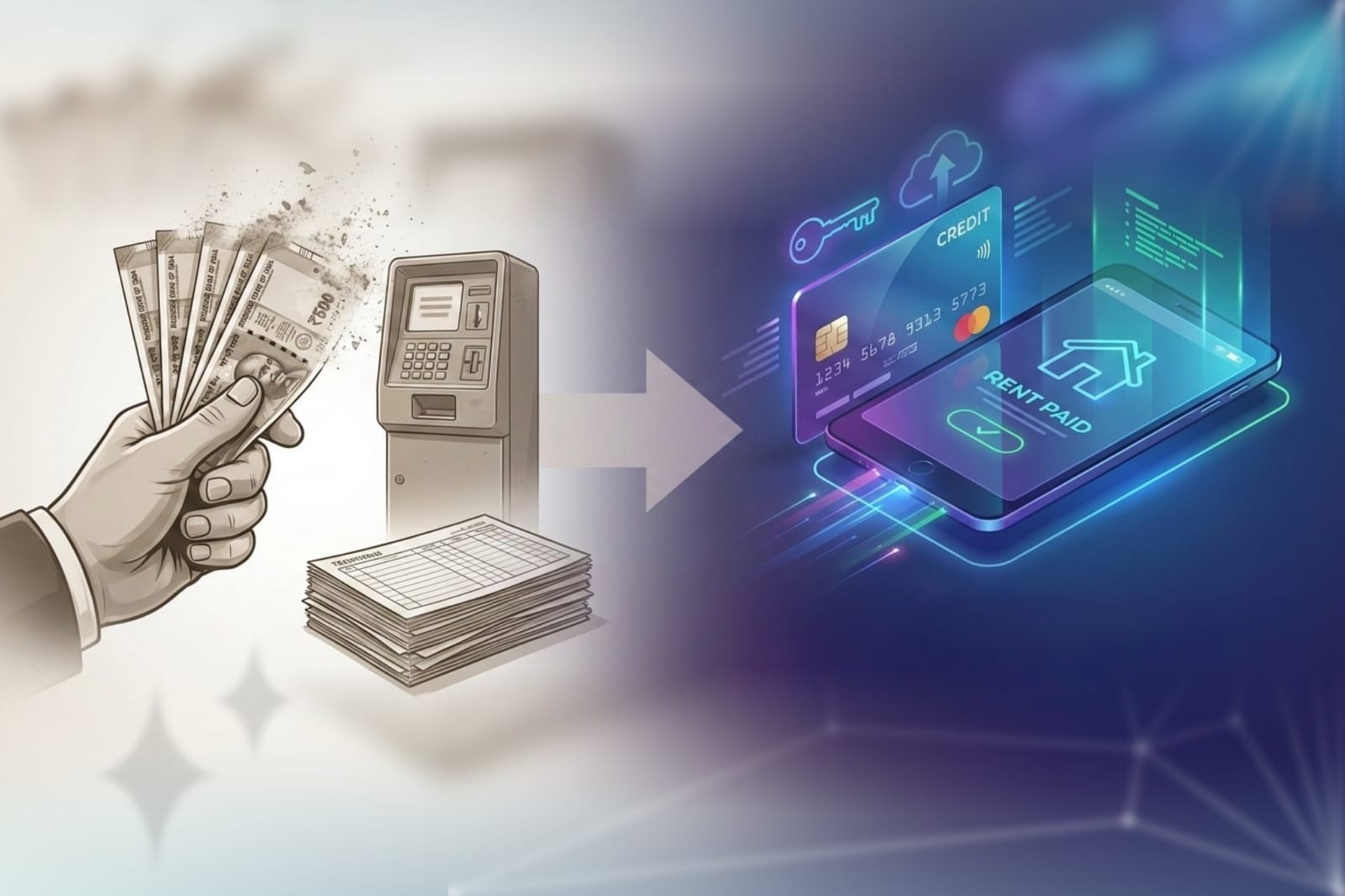
Rent payments have long been dominated by traditional methods such as cash, cheques, and bank transfers. However, with the rise of digital platforms and changing consumer habits, credit cards are emerging as a modern alternative. This shift is transforming how tenants and landlords approach monthly transactions, raising the question: could credit cards eventually replace traditional rent payments?
Why Credit Cards Are Becoming Popular
Credit cards bring flexibility and convenience to rent payments. They allow tenants to manage cash flow more effectively, earn rewards or cashback, and benefit from enhanced security features. Every transaction is recorded, making it easier to track expenses and resolve disputes.
Challenges for Landlords
Despite the advantages for tenants, landlords often hesitate to embrace credit card payments. Transaction fees and concerns about reliability make traditional methods more appealing to many. Yet, with property management platforms offering solutions to reduce costs and streamline processes, more landlords are beginning to explore this option.
The Role of Digital Platforms
Digital payment platforms are bridging the gap between tenants and landlords. By integrating credit card options, they make rent payments smoother, more transparent, and even beneficial for tenants who want to build their credit history.
Looking Ahead
While credit cards may not completely replace traditional methods, they are set to play a larger role in the future of rent payments. Younger renters, in particular, are driving this change by favoring digital solutions that offer flexibility and rewards. The future likely lies in a hybrid model, where tenants can choose between traditional and modern payment methods based on their financial needs.
The rent payment landscape is evolving toward greater digitization and flexibility. Credit cards, with their convenience and added benefits, are poised to become a key part of this transformation—even if traditional methods remain in use.